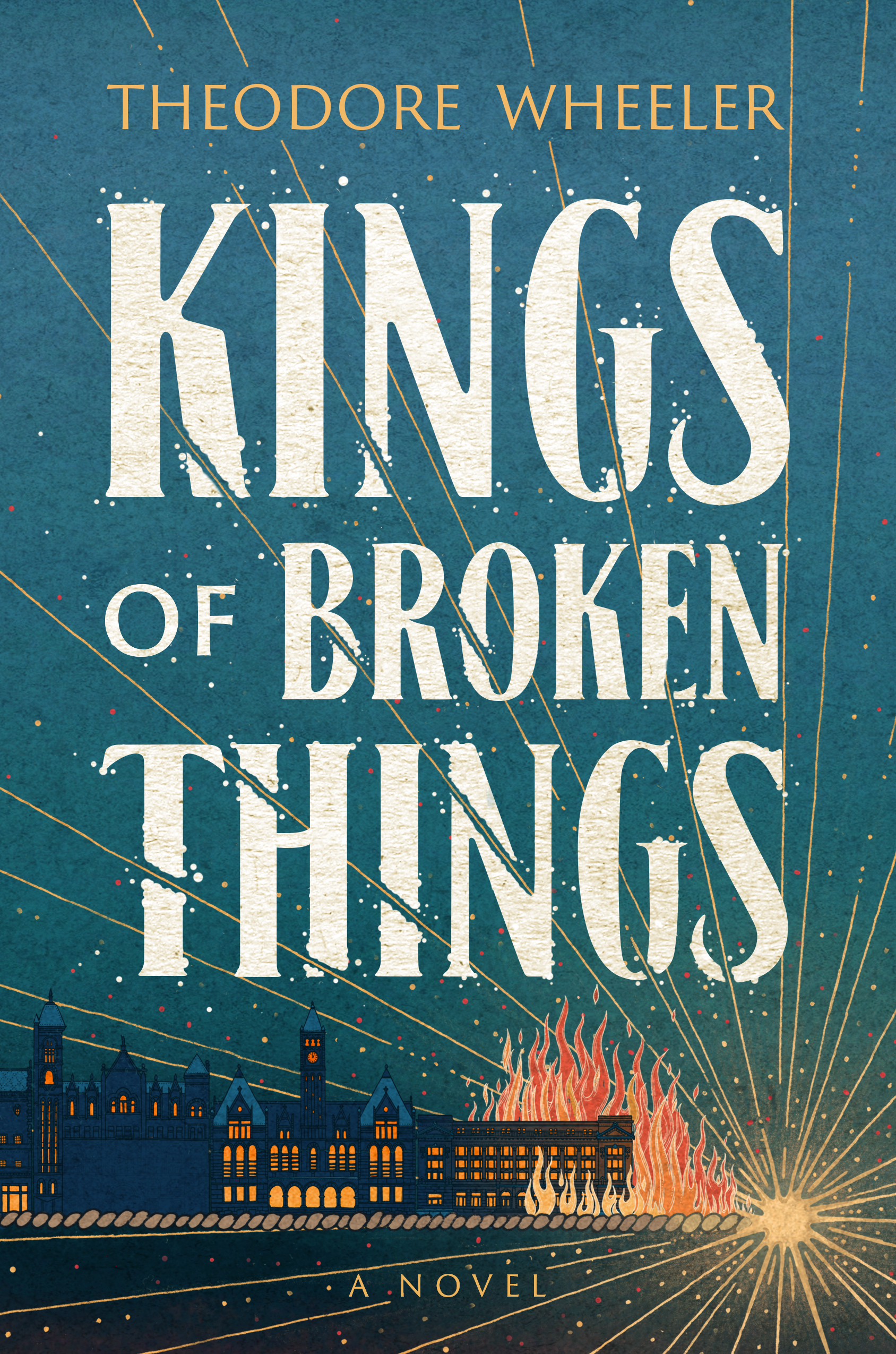
Book Club Guide for Kings of Broken Things

KINGS OF BROKEN THINGS

-The opening chapter of Kings of Broken Things focuses on the boys who live in the River Ward of Omaha. Why do you think the book focus so much on the experience of children and adolescents?

-What experiences and memories do you have about living through social justice movements during your lifetime, from the Civil Rights Era to modern day movements like Black Lives Matter? Have you or someone in your family participated in a movement? In what ways is the experience of Americans different after these movements than it was during the Lynching Era depicted in the novel?

-The book includes fictionalized versions of several historical figures, most notably Tom Dennison, Will Brown, and Josie Washburn. Does the inclusion of real historical figures add to the novel’s story? Who do you find more interesting: the characters based on real people or the purely fictional characters? Why do you think that is?

-Which of the locations depicted in the book most caught your attention? Has reading this novel changed how you think about these places in Omaha and their histories? Were you able to locate Clandish Street on the map? (Hint: Clandish Street exists only in the novel.)

-The novel portrays characters who cross invisible borders within Omaha, often going between north and south, east and west. What kinds of conflicts do you see in the novel that are produced by this crossing? How do you see the Great Migration play out in this context?

-Likewise, most of the characters try to cross social borders in ways that produce conflict? Rural vs urban? Native-born vs immigrant? Men’s roles vs women’s roles? What do characters like Jake and Evie have to do in order to transcend these differences?

-Kings of Broken Things is told from the perspective of multiple characters: Karel, Evie, Jake, Tom, and Anna. What do you think of the technique, as compared to having a single perspective? Do you have a favorite of these point-of-view characters?

-Does the history portrayed in the novel change how you think of Omaha? Why or why not? Are you aware of similar instances of “hidden” history in your own town or region?

-What’s your favorite book that’s set in Nebraska?
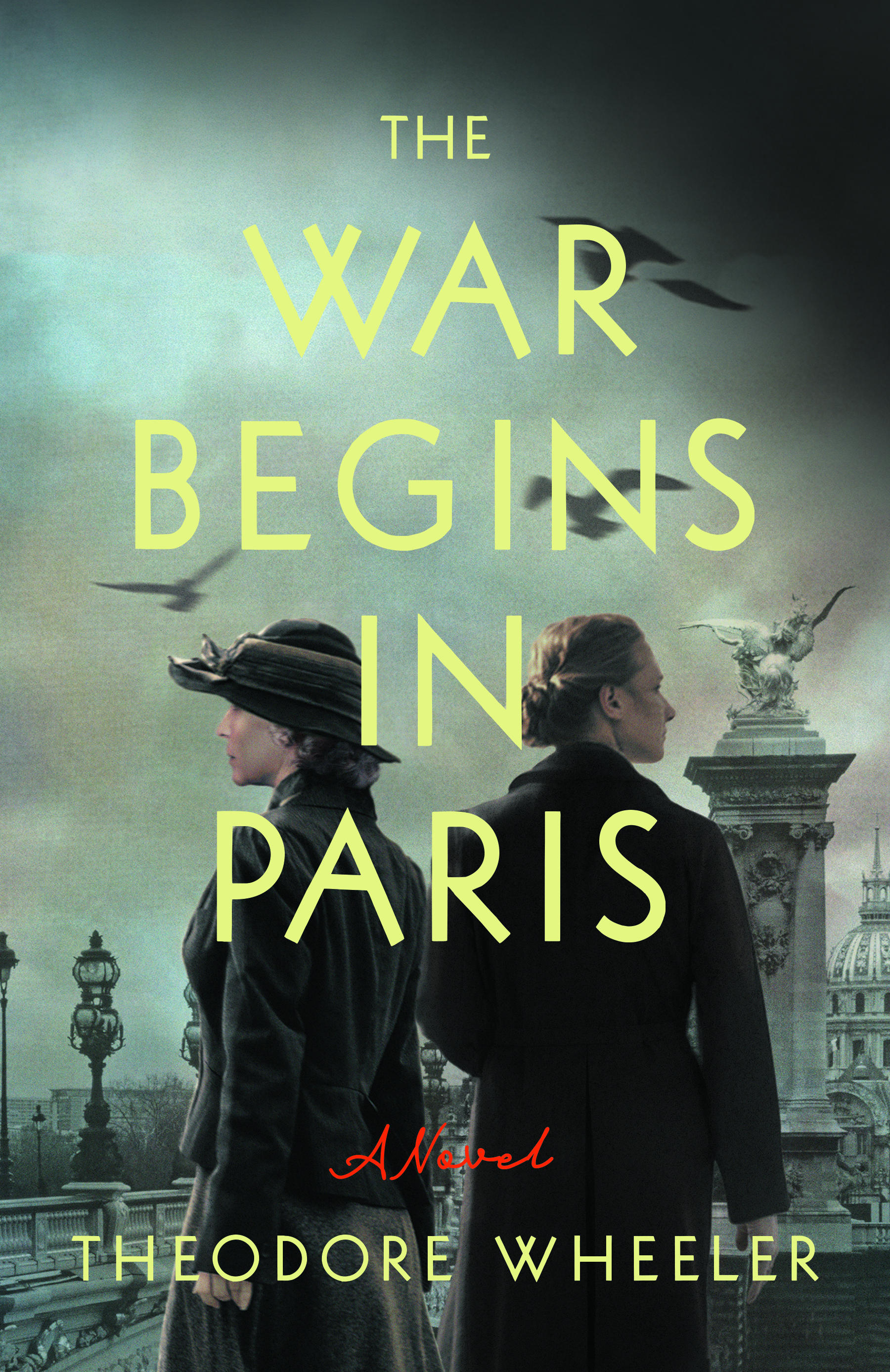
Book Club Guide for The War Begins in Paris

Reading Group Guide – The War Begins in Paris

(See below, or download here!)

The opening chapter of the book tells us that this is “a story of two women.” Once Mielle and Jane meet, they quickly become friends and experience a relationship deeper than that of a passing friendship. Why do you think Mielle and Jane are so drawn to each other? Beyond Jane coming up with the name Mielle, could there be a “Mielle” without Jane?

At the beginning of The War Begins in Paris, in 1938, radio broadcasts evolve from a technology through which people get news and entertainment into a medium for political parties to energize their base and proselytize converts. Over the course of the novel, how do you see this technology change the world? What new technologies in your lifetime have led to similar sea changes in culture, politics, and society?

The War Begins in Paris often plays with the idea of celebrity. In what ways is celebrity used to grant an air of validity and style to the news and political ideology of the time? In what ways do you see celebrity as a political force in our own time? Do you see this as a destructive or beneficial phenomenon?

The War Begins in Paris features excerpts from actual reporting published by William L. Shirer, Dorothy Thompson, and Edward R. Murrow. Did these dispatches enhance or detract from your experience of reading the book? Does it make you want to learn more about journalists from this period?

The book also includes fictionalized versions of several historical figures, most notably Jane Anderson, but also Joseph Goebbels, Emil Jannings, and even minor functionaries like Anton Winkelnkemper. What do you think of the inclusion of real historical figures in the novel’s story? Who do you find more interesting: the characters based on real people or the purely fictional characters? Why do you think that is?

Are there any settings in the novel that are close to your heart? Paris? Berlin? The Rhine Valley? Has reading this novel changed how you think about these places and their histories?

Mielle’s upbringing as a Mennonite is an inescapable part of who she was a child and who she becomes as an adult. Seeing where Mielle ends up by the end of the novel, and after everything she’s done, do you think she betrays the religious and moral philosophy by which she was raised? Why or why not?

In the epilogue, Jane taunts Mielle by asking her about what happened when they were separated in Stuttgart: “Do you regret it? Or is your conscience clear because he was only a Fascist?” What do you think Jane means by this statement? Do you think it’s reasonable to challenge the idea of righteous killing?

There are multiple instances of split or merging personas in the novel. The dual identity of Mielle and Marthe Hess; Mielle feeling like she and Jane merge into one person right before she is afflicted with her fateful vision in La Closerie des Lilas; the uncanny resemblance shared by Anton Winkelnkemper, Nilo Steffen, and Inspector Klaas. What is the meaning of these instances of doubling and doppelgängers?

Do you believe that Mielle’s visions are actual phenomena that she experiences? If not, then what are they?

Have you ever experienced a second sight that foretold a future event? Did you believe or worry that the vision was legitimate at the time? How did that turn out?