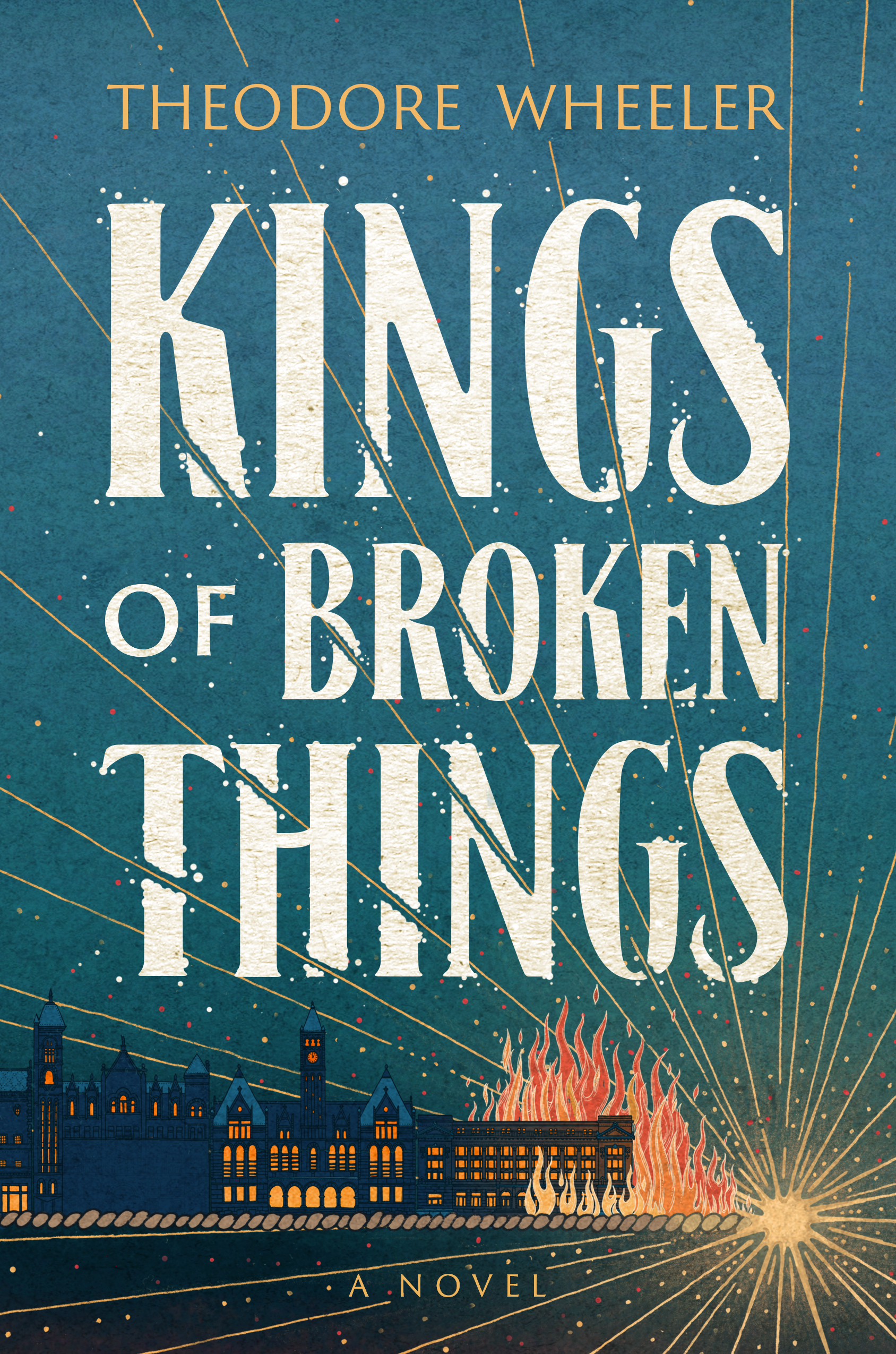
-The opening chapter of Kings of Broken Things focuses on the boys who live in the River Ward of Omaha. Why do you think the book focus so much on the experience of children and adolescents?
-What experiences and memories do you have about living through social justice movements during your lifetime, from the Civil Rights Era to modern day movements like Black Lives Matter? Have you or someone in your family participated in a movement? In what ways is the experience of Americans different after these movements than it was during the Lynching Era depicted in the novel?
-The book includes fictionalized versions of several historical figures, most notably Tom Dennison, Will Brown, and Josie Washburn. Does the inclusion of real historical figures add to the novel’s story? Who do you find more interesting: the characters based on real people or the purely fictional characters? Why do you think that is?
-Which of the locations depicted in the book most caught your attention? Has reading this novel changed how you think about these places in Omaha and their histories? Were you able to locate Clandish Street on the map? (Hint: Clandish Street exists only in the novel.)
-The novel portrays characters who cross invisible borders within Omaha, often going between north and south, east and west. What kinds of conflicts do you see in the novel that are produced by this crossing? How do you see the Great Migration play out in this context?
-Likewise, most of the characters try to cross social borders in ways that produce conflict? Rural vs urban? Native-born vs immigrant? Men’s roles vs women’s roles? What do characters like Jake and Evie have to do in order to transcend these differences?
-Kings of Broken Things is told from the perspective of multiple characters: Karel, Evie, Jake, Tom, and Anna. What do you think of the technique, as compared to having a single perspective? Do you have a favorite of these point-of-view characters?
-Does the history portrayed in the novel change how you think of Omaha? Why or why not? Are you aware of similar instances of “hidden” history in your own town or region?
-What’s your favorite book that’s set in Nebraska?
 Check out this great new review that was posted today on the
